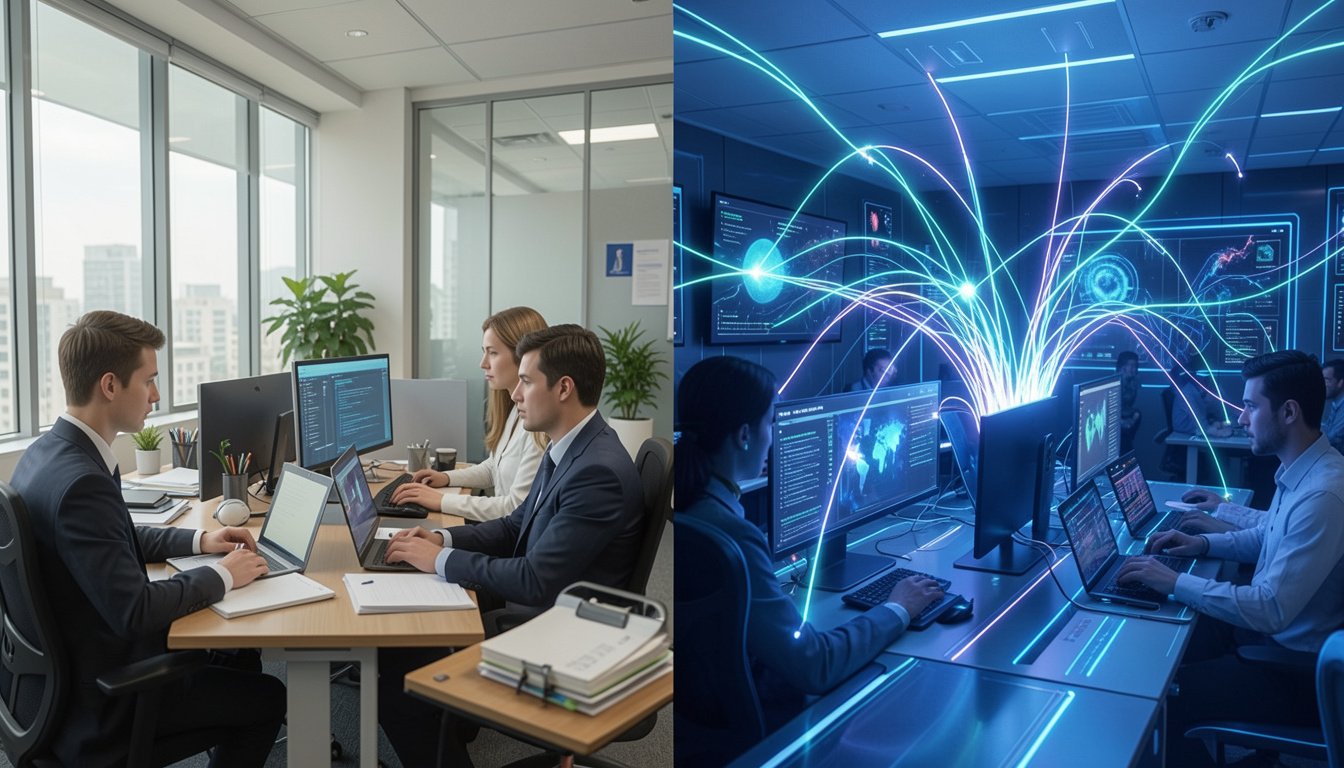
Every single day, the way we live our lives undergoes subtle shifts. From the moment we wake up to the time we go to bed, our daily routines are influenced by the tools, culture, and habits around us. When we look closely at how people live in different parts of the world, we often find that our lifestyles share surprising similarities. Whether you live in a bustling city or a quiet town, you likely wake up, eat meals, work or study, and spend time with people you care about.
Understanding how our lifestyles function helps us make better decisions for our health, happiness, and overall well-being. A healthy way of living involves balancing work, rest, nutrition, and exercise. As society moves forward, the choices we make every single day determine our energy levels and long-term health. By examining our daily habits, we can discover small adjustments that bring major positive changes to our everyday experiences.
What Does the Term Lifestyle Really Mean?
A lifestyle is simply the collection of habits, choices, and behaviors that define how a person or group lives. It includes what you eat, how much you move, your job, your hobbies, and how you interact with friends and family. Because everyone has unique goals and environments, our lifestyles can look very different on the surface while sharing identical core needs.
At its heart, a balanced lifestyle provides your body and mind with what they need to thrive. When people prioritize good nutrition, sufficient sleep, and regular physical activity, their quality of life improves significantly. Conversely, negative habits like constant stress, poor eating habits, and a lack of movement can lead to long-term health challenges. Recognizing what makes up a lifestyle is the first step toward improving it.
General Overview: Key Lifestyle Indicators
| Feature | Traditional Way of Living | Modern Way of Living |
| Primary Work Type | Physical labor and outdoors | Desk jobs and screen-based work |
| Daily Communication | In-person and letters | Instant messaging and video calls |
| Dietary Habits | Fresh, whole, local foods | Mix of fresh, convenience, and processed foods |
| Physical Activity Level | High natural daily movement | Lower natural movement; requires scheduled exercise |
| Information Access | Books, newspapers, local news | Instant global search and social media |
| Leisure Activities | Outdoor play, reading, hobbies | Streaming media, gaming, digital browsing |
Comparing Daily Routines Across Different Cultures
When you travel across the globe or chat with people from different countries, you quickly notice that our lifestyles are probably comparable in many fundamental ways. Most human beings wake up early, prepare breakfast, head off to work or school, and return home to relax with family. The basic blueprint of human daily activity remains remarkably consistent regardless of geography.
Even though cultural traditions and local foods vary, the underlying human desires for safety, connection, and growth unite us. Recognizing that our lifestyles are probably comparable builds empathy and allows us to learn effective habits from other cultures. For instance, adopting Mediterranean eating patterns or Japanese mindfulness practices can easily fit into almost any modern daily routine.
How Has Internet Changed Our Lifestyles Over the Years?
It is impossible to discuss modern living without asking: how has internet changed our lifestyles in recent decades? The internet has completely transformed how we gather information, manage our careers, and shop for everyday goods. Decades ago, finding an answer to a question meant visiting a library, whereas today, endless knowledge sits right in your pocket.
Furthermore, when considering how has internet changed our lifestyles, we see huge shifts in how we work and learn. Remote work and online education allow millions of people to stay home while building careers and earning degrees. While these digital advancements offer incredible convenience, they also require us to set boundaries so screen time does not completely replace physical activity and face-to-face interaction.
Has Modern Technology Improved Our Lifestyles for the Better?
Many people frequently debate whether technology helps or hurts our overall well-being. When asking has modern technology improved our lifestyles, the answer is often a mix of both positive and negative effects. Advanced medical equipment, smart home appliances, and instant communication tools have undoubtedly made daily living safer, cleaner, and far more efficient than in past generations.
However, when exploring has modern technology improved our lifestyles, we must also look at the downsides of constant connectivity. Sedentary habits, eye strain, and social media distraction are common drawbacks of the digital age. Technology improves our lifestyles most effectively when we use it as a helpful tool rather than letting it control every minute of our day.
The Role of Nutrition in Shaping Healthy Lifestyles
What we put onto our dinner plates directly affects how we feel and perform throughout the day. Nutrition forms the solid foundation of healthy living, providing the essential energy needed to handle daily challenges. When our lifestyles include wholesome foods like fresh vegetables, fruits, lean proteins, and whole grains, our immune systems stay strong and our energy remains steady.
On the other hand, relying heavily on fast food and sugary drinks can make us feel tired, sluggish, and unfocused. Making small, consistent changes—such as drinking more water, preparing meals at home, and reducing processed snacks—can dramatically improve our lifestyles. Healthy eating does not require strict diets; it simply means choosing real foods that nourish your body.
Why Physical Activity Matters for Everyone
Regular movement is another critical pillar of vibrant living. Human bodies are naturally built to walk, run, stretch, and lift. When our lifestyles become too sedentary due to long desk hours, our muscles weaken and our health can suffer. Incorporating just thirty minutes of simple physical movement each day can make a massive difference.
Physical activity does not mean you have to spend hours in an expensive gym. Simple activities like walking the dog, riding a bike, dancing, or taking the stairs count toward your daily goals. Active habits improve our lifestyles by boosting cardiovascular health, strengthening bones, elevating mood, and helping you sleep more soundly at night.
Mental Health and Mindful Living in the Digital Age
Health is not just about your physical body; your mental state is equally important. In our modern, fast-paced world, stress, anxiety, and burnout have become common problems affecting our lifestyles. Taking time to slow down, clear your mind, and practice mindfulness helps restore internal balance and calm.
Simple practices like deep breathing exercises, spending time outdoors in nature, or keeping a daily journal can protect your mental well-being. When we actively manage our stress levels, our lifestyles become much more enjoyable and fulfilling. Mental clarity enables us to make better choices, communicate effectively, and maintain positive relationships.
Sleep Habits and Their Impact on Daily Energy
Sleep is often the first thing people sacrifice when life gets busy, yet it is essential for survival and vitality. Quality sleep allows your brain to process memories and gives your muscles time to repair. When our lifestyles prioritize seven to eight hours of restful sleep every night, we wake up feeling refreshed, focused, and ready to tackle the day.
Creating a calm bedtime routine is a great way to improve your sleep quality. Turning off bright screens an hour before bed, keeping your bedroom cool, and going to sleep at the same time each night signal to your body that it is time to rest. Better sleep habits immediately upgrade our lifestyles by boosting immunity and daily performance.
Building Meaningful Relationships and Community
Humans are naturally social creatures who thrive on connection, conversation, and mutual support. Strong relationships with family members, friends, and neighbors form the emotional heart of our lifestyles. Having trusted people to share joys with and rely on during tough times dramatically reduces stress and increases happiness.
While online social networks help us stay connected across long distances, they cannot fully replace real-world human interactions. Spending genuine quality time face-to-face, sharing meals, and engaging in community activities enrich our lifestyles in ways that screens simply cannot match. Investing time into your personal relationships pays lifelong emotional dividends.
Balancing Work, Leisure, and Personal Time
Achieving a healthy balance between work responsibilities and personal relaxation is essential for long-term health. Overworking without taking adequate breaks leads directly to physical exhaustion and mental burnout. When our lifestyles include dedicated time for rest, hobbies, and fun, our productivity and creativity actually increase when we return to work.
Setting clear boundaries between your job and your personal life is crucial. Turn off work notifications after hours, schedule time for activities you love, and spend uninterrupted time with loved ones. Cultivating proper work-life harmony protects our lifestyles from excess stress and helps maintain long-term happiness.
Simple Steps to Upgrade Your Lifestyle Today
Improving how you live does not require completely flipping your life upside down overnight. In fact, attempting to change everything at once usually leads to frustration. Sustainable progress happens through small, steady improvements added over time. By focusing on one positive habit each week, our lifestyles gradually shift in a healthier direction.
Start by choosing simple, achievable goals that fit easily into your existing routine:
- Drink a large glass of fresh water immediately after waking up.
- Take a brisk 15-minute walk outside during your lunch break.
- Set a strict digital curfew to turn off all screens one hour before bedtime.
- Add one extra serving of fresh vegetables or fruit to your daily meals.
- Spend 10 minutes practicing quiet reflection or deep breathing each morning.
Frequently Asked Questions
What are the key elements that make up a healthy lifestyle?
A healthy lifestyle consists of a balanced diet, regular physical movement, adequate sleep, effective stress management, and strong social connections. Balancing these areas keeps your body and mind operating at their absolute best.
How can I make my daily routine healthier on a tight budget?
You do not need lots of money to live well. Simple actions like walking daily, drinking plenty of tap water, sleeping regularly, and cooking simple whole foods at home are free or low-cost ways to improve our lifestyles.
How does screen time affect our overall well-being?
Excessive screen time can lead to eye strain, poor posture, disrupted sleep, and reduced physical activity. Setting daily screen limits helps protect both your physical health and your mental clarity.
Why is daily consistency so important for long-term habit change?
Consistency builds habits that eventually become second nature. Small positive actions repeated daily create long-lasting benefits that far outweigh occasional intense efforts.
How can busy professionals manage stress effectively?
Busy adults can lower stress by taking micro-breaks during work, setting clear boundaries between work and home, prioritizing sleep, and practicing short mindfulness or breathing exercises throughout the day.
What is the easiest way to start changing your daily habits?
Pick just one simple habit to focus on, such as walking for 10 minutes or drinking more water. Once that small change feels automatic, add another positive habit to your daily routine.
Conclusion
At the end of the day, our lifestyles are shaped by the simple, repeated choices we make every single morning, afternoon, and night. While modern technology and the internet have dramatically changed how we live, work, and interact, the basic foundations of good health remain unchanged. By prioritizing fresh food, regular physical movement, restful sleep, and authentic human connection, we can create a lifestyle that brings lasting energy and happiness.